
Introduction
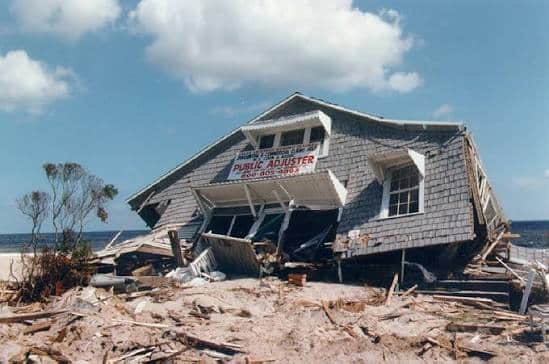
In today’s environment, disciplined capital, construction experience, and responsive underwriting matter. New construction in Florida is shaped by wind. Building codes require homes to resist hurricane-force conditions, and those requirements influence design, materials, and cost from the foundation to the roof.
For investors building on owned land, these standards are not optional. They affect the budget, the inspection schedule, and the long-term insurability of the completed home. Projects that underestimate them can encounter delays and unplanned costs.
For investors building in hurricane-prone areas, working with a hard money lender in Tampa that understands local construction provides capital aligned with what wind-resistant building actually requires.
Building to hurricane code is not a burden. It is protection built into the asset.
Understanding Wind Requirements
The Florida Building Code establishes design wind speeds that vary by location. Areas closer to the coast generally face more demanding standards. Portions of the state are also designated as wind-borne debris regions, where windows and doors must be protected against impact from flying debris.
These requirements shape the structure itself. Engineering must account for the loads the home will face. Connections between the foundation, walls, and roof must form a continuous load path that holds the structure together under wind pressure.
Hard money underwriting evaluates the land, the build scope, and the projected value with these requirements in view. Local code realities are part of the cost-to-complete from the start.
Requirements are also updated over time as the code is revised. Plans should be designed to the edition in effect when permits are issued, and builders should confirm that every specified product carries the approvals required for the location.
Location defines the standard.
Budgeting for Wind-Resistant Construction
Wind-resistant construction carries specific costs. Impact-rated windows and doors, or approved shutter systems, represent a meaningful line item. Roof decking, fastening schedules, and secondary water barriers add material and labor. Straps, anchors, and reinforced connections appear throughout the framing.
These items should be priced accurately before construction begins. Builders familiar with local requirements can estimate them with confidence. Those unfamiliar may leave gaps that surface during inspection.
Unlike many hard money lenders in Tampa, disciplined lenders with construction experience evaluate whether the budget reflects the full scope of code requirements. Capital is aligned with what the build will actually cost.
Material lead times also matter. Impact-rated windows and doors can require extended ordering periods, particularly after an active storm season. Ordering early protects the schedule.
Wind requirements belong in the budget.
Navigating Inspections and Approvals
Hurricane code compliance is verified throughout construction. Inspections confirm that framing connections, roof attachment, and window installations meet approved plans. Product approvals must match the materials installed.
Draw schedules should align with this inspection sequence. Hard money financing ties funding to measurable milestones, and interest-only payments during construction preserve liquidity while the project moves through each approval. A failed inspection can delay the next draw, so accurate execution protects both the timeline and the flow of capital.
Coordination between the builder, engineer, and inspector keeps the process moving. Product approval documentation should be on site and organized before inspections are scheduled. Small documentation gaps can create delays that are entirely avoidable.
Inspections set the pace.
Positioning the Completed Home
A home built to current wind standards offers advantages at completion. Buyers and tenants in Florida increasingly understand the value of impact-rated openings and reinforced construction. Insurers may also consider wind-mitigation features when evaluating coverage, which can influence the cost of carrying the property.
These features support the exit. Whether the home is sold or refinanced and held, its construction quality becomes part of its market position. Hard money serves as transitional capital through the build, with the exit defined at origination.
Borrower equity, anchored by the owned land, keeps incentives aligned throughout construction.
Documentation of these features should be preserved. A wind-mitigation inspection after completion records the construction details insurers commonly review, and that record stays with the property through sale or refinancing.
Resilience supports value.
Why Wind-Resistant Building Rewards Preparation
Building to hurricane code rewards investors who plan for it from the beginning. Those who budget accurately, coordinate inspections, and choose experienced builders complete projects on schedule. Those who treat code requirements as an afterthought face delays and cost overruns.
Hard money provides capital that supports wind-resistant construction on owned land. Working with a hard money lender in Tampa who understands Florida building requirements ensures the project is structured for the conditions it must withstand.
Preparation builds durable assets.
DKC Lending
At DKC Lending, we provide hard money structured for real estate investors who apply capital intentionally. Each opportunity is evaluated based on asset fundamentals, location strength, cost-to-complete considerations, and clearly defined exit positioning. We prefer projects supported by meaningful borrower equity and first priority security, particularly where land is owned and execution is underway.
Our underwriting is responsive but disciplined. As a direct lender with real estate and construction experience, we understand how transitional capital integrates into broader financing strategies across new construction, fix and lease, refinancing, and capital layering.
Hard money is most effective when applied deliberately. Knowing when to use it separates reactive borrowing from structured real estate execution.