
Introduction
In today’s environment, disciplined capital, construction experience, and responsive underwriting matter. Many investors own lots that already hold a home and still have room to build. An accessory dwelling unit, often called an ADU, places a second, smaller residence on that same parcel.
The opportunity is straightforward. The land is owned, utilities are nearby, and the primary home already establishes the property’s value. Adding a second unit can create new rental income or expand how the property can be used.
For investors building an ADU on land they already own, working with a hard money lender in Tampa that understands small-scale construction provides capital aligned with the project rather than delayed by it.
An ADU is not an afterthought. It is additional value built on an existing position.
Understanding the ADU Opportunity
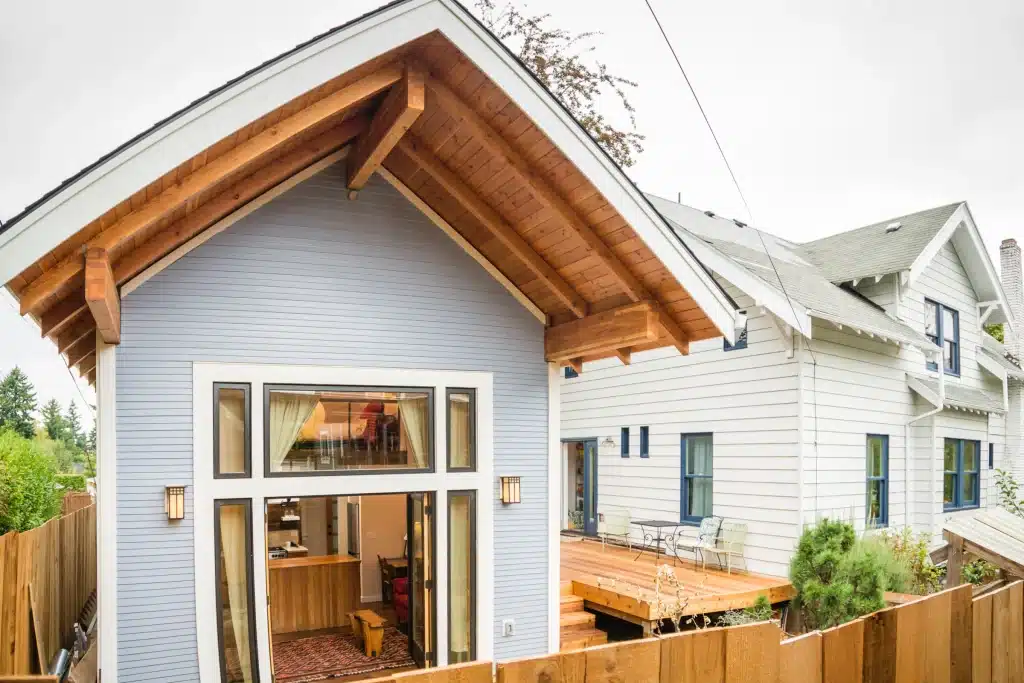
An ADU may take the form of a detached cottage, a unit above a garage, or an addition attached to the main home. Each version adds a self-contained living space with its own entrance, kitchen, and bathroom.
The economics come from using land that is already owned. There is no new acquisition and no separate site to prepare from scratch. The investor builds on a parcel that is already working and adds a second source of income.
Hard money underwriting evaluates the property as a whole, including the value of the existing home, the scope of the ADU, and the projected value once both are complete.
The addition can also change how the property is positioned at exit. A parcel with two income-producing units may appeal to a broader range of buyers and may support a stronger refinance once both units are leased and operating history is established.
Existing land supports additional income.
Confirming Zoning and Site Requirements
Whether an ADU can be built depends on local rules. Zoning determines where accessory units are permitted, how large they can be, how far they must sit from property lines, and whether parking or occupancy conditions apply. These requirements vary by jurisdiction and should be confirmed before design begins.
Site conditions matter as well. Utility connections, drainage, and access to the rear of the lot all affect cost. A sewer or septic system may need capacity for an additional unit. Trees, easements, and existing structures may limit placement.
Unlike many hard money lenders in Tampa, disciplined lenders with construction experience evaluate these factors alongside the budget. Constraints identified early are far less expensive than those discovered after work begins.
Feasibility is confirmed before construction.
Financing a Smaller Build
ADU construction follows the same progression as a larger build on a smaller scale. Foundation work, framing, rough-ins for plumbing, electrical, and mechanical systems, and interior finishes each require capital at the right time.
Hard money financing supports this progression. Draw schedules align with measurable milestones. Interest-only payments during construction preserve liquidity. Cost-to-complete is assessed conservatively so the project does not stall before the unit is ready for occupancy.
Smaller projects can carry proportionally higher costs per square foot. Utility connections and permitting fees do not shrink with the size of the unit. Budgets should reflect these fixed costs from the start.
Small builds still require full planning.
Managing Risk Around an Occupied Property
Building an ADU often means working next to a home that is occupied. Tenants or owners in the primary residence must be considered throughout construction. Access, noise, and utility interruptions should be planned and communicated.
Hard money, when applied responsibly, reflects these realities. Timelines account for site access constraints. Contingency allowances cover the unexpected conditions that arise when tying into existing systems. The exit, whether refinancing the improved property or holding it with added income, is defined at origination.
Borrower equity in the land and existing home keeps incentives aligned through completion.
Design choices can reduce these disruptions. Separate utility meters, independent access paths, and thoughtful placement on the lot protect privacy for both residences once construction is complete.
Building beside an occupied home requires care.
Why ADUs Reward Deliberate Planning
ADUs allow investors to create value from land they already own. Those who confirm zoning, plan for site conditions, and budget carefully add income without the cost of a new acquisition. Those who move without preparation may find constraints that limit the project after work has begun.
Hard money provides capital that supports small-scale construction on owned land. Working with a hard money lender in Tampa who understands these projects ensures the build proceeds with structure.
Owned land can hold more value.
DKC Lending
At DKC Lending, we provide hard money structured for real estate investors who apply capital intentionally. Each opportunity is evaluated based on asset fundamentals, location strength, cost-to-complete considerations, and clearly defined exit positioning. We prefer projects supported by meaningful borrower equity and first priority security, particularly where land is owned and execution is underway.
Our underwriting is responsive but disciplined. As a direct lender with real estate and construction experience, we understand how transitional capital integrates into broader financing strategies across new construction, fix and lease, refinancing, and capital layering.
Hard money is most effective when applied deliberately. Knowing when to use it separates reactive borrowing from structured real estate execution.